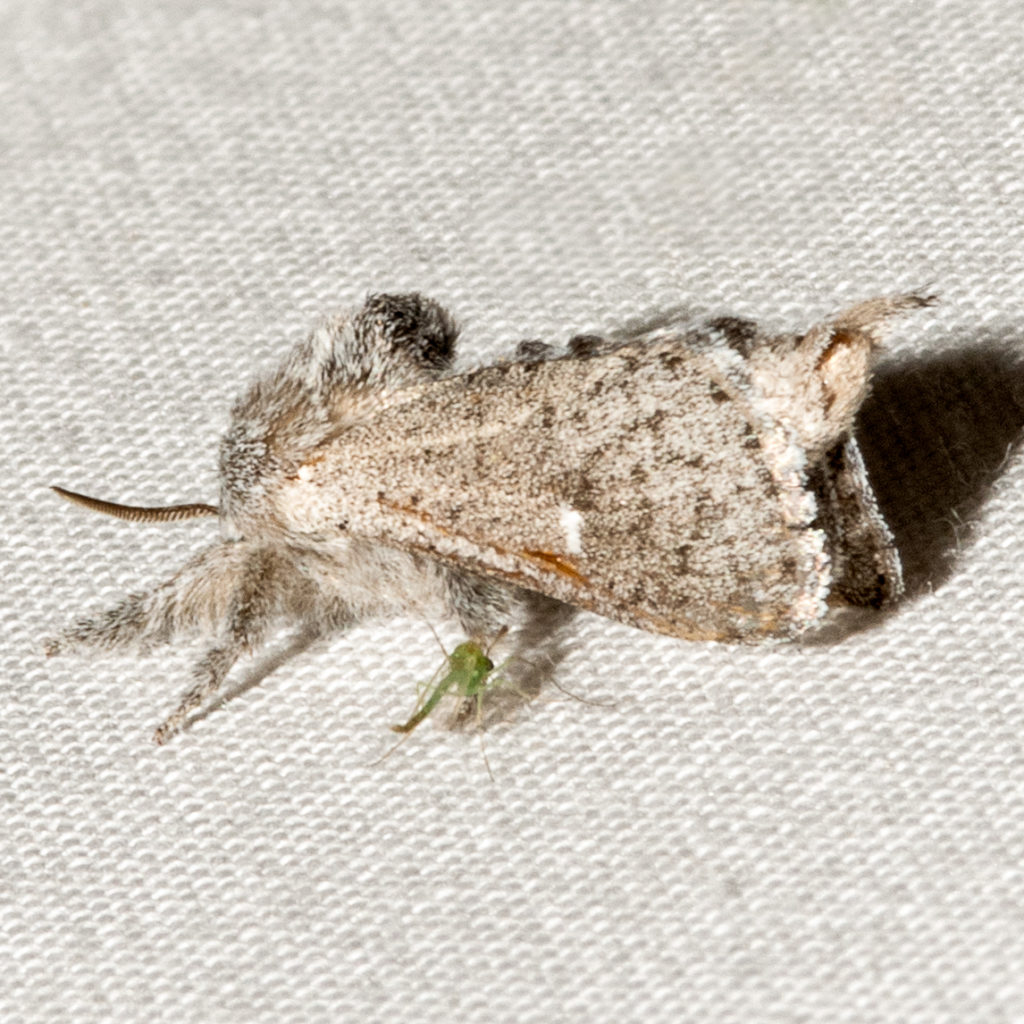
Commonly known as carpenter moths or goat moths, members of the Cossidae family are wood-borers. Their larvae tunnel into the wood of various trees, sometimes causing significant damage. Adult Cossidae are usually large, with robust bodies and are rather nondescript, typically featuring shades of gray or brown. Their wings tend to be broad, with some having patterns or wavy lines.
The larvae can spend years (in some cases, up to a decade) inside tree trunks or branches, making winding galleries as they feed. This extended larval stage is one reason why they can be so damaging to trees, especially when infestations are heavy. I’ve seen only 3 examples of Cossidae here.
Acossus populi
Cossus populi Walker, 1856
Acossus populi, called the aspen carpenterworm is a large moth in the subfamily Cossinae. As their names imply, the larvae feed on Populus species, such as Populus tremuloides.
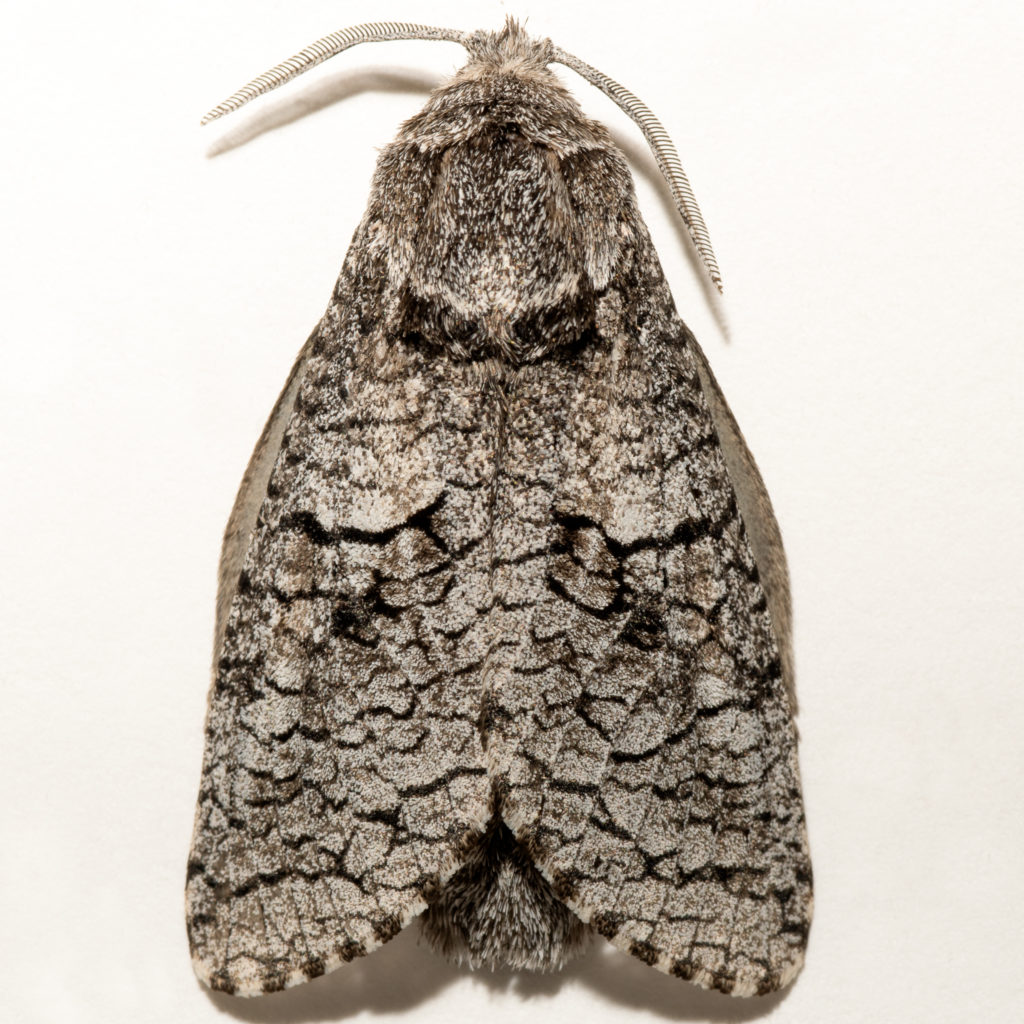
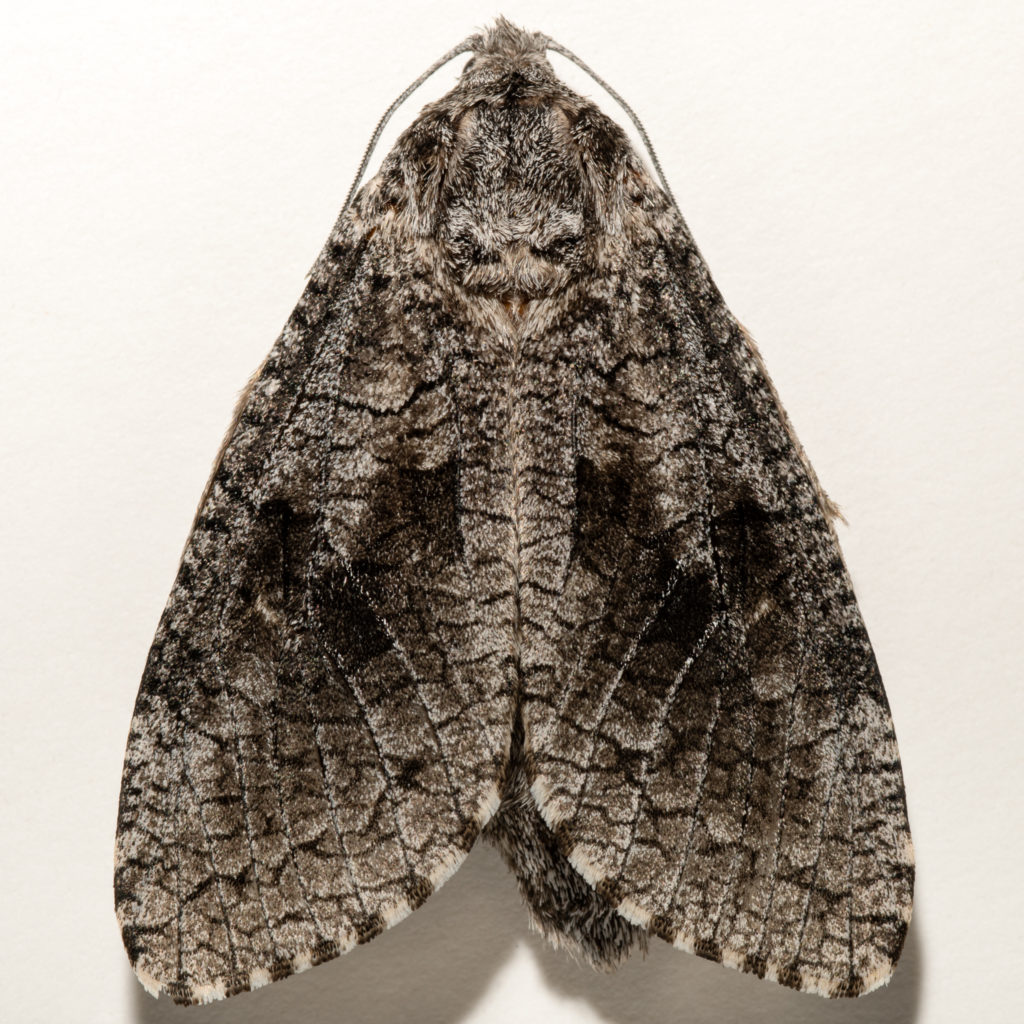
Toronia perplexus
Trypanus perplexus Neumögen & Dyar, 1893
Toronia perplexus is also in the subfamily Cossinae. Not as large as or as common as A. populi.
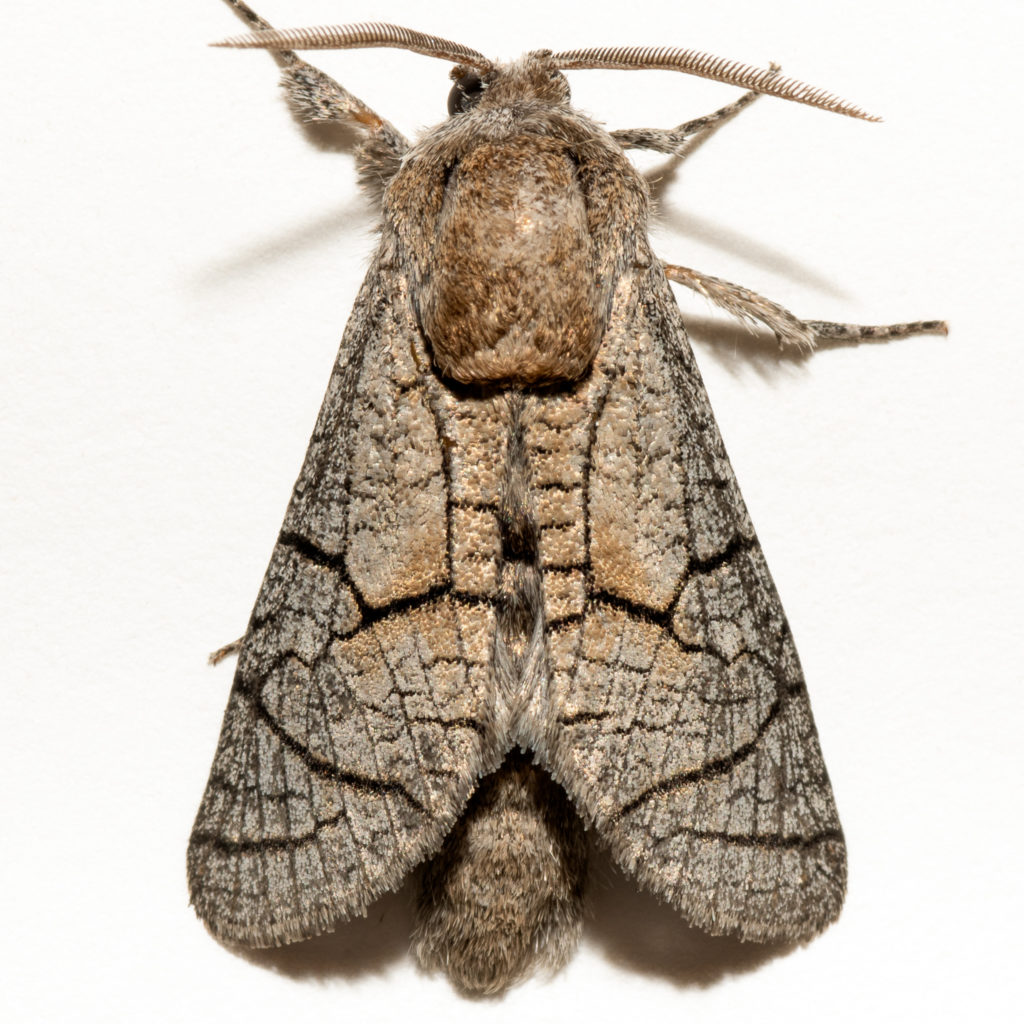
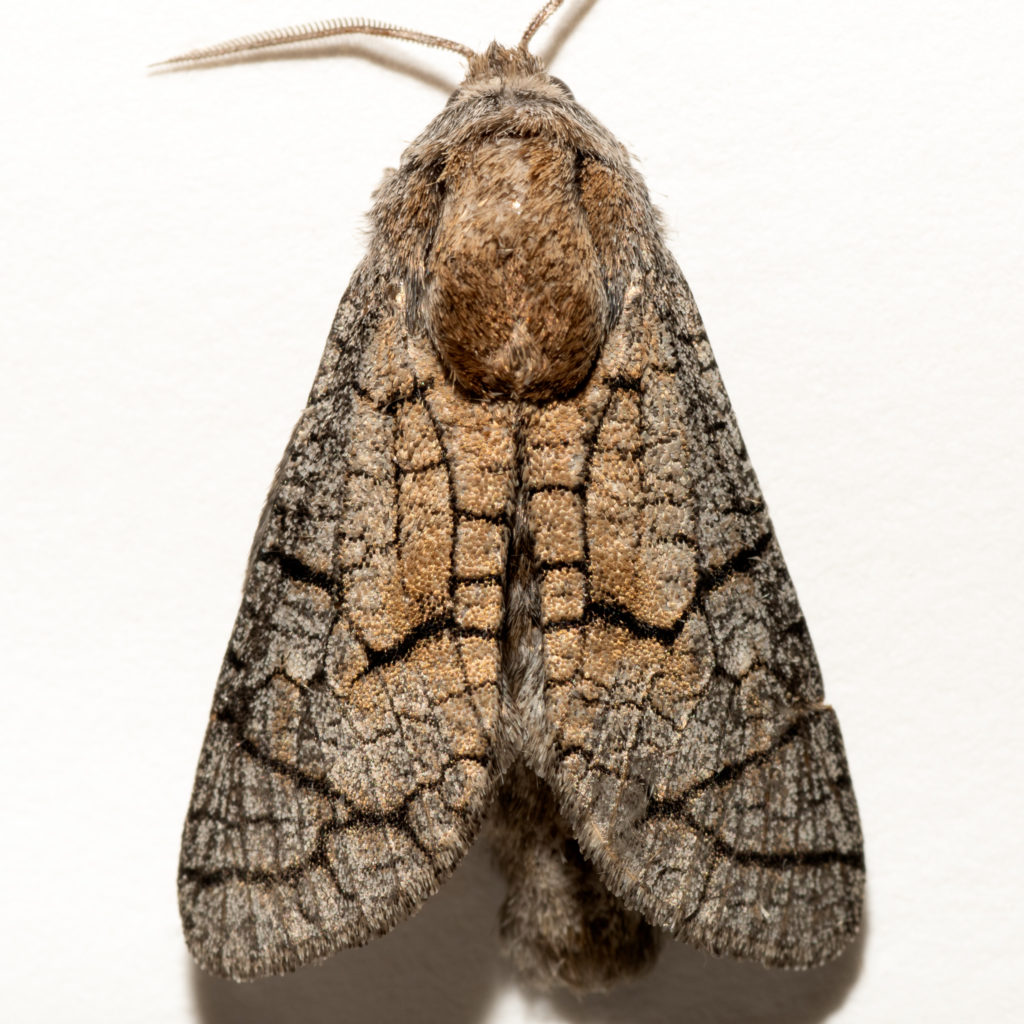
Givira
Givira Walker, 1856
The genus Givira is in the subfamily Hypoptinae. This is a small moth that I’ve seen just once, and that was for only an instant back in July of 2019. I’ll keep looking.